

7 Costly Commercial Refrigeration Mistakes Florida Businesses Make
Florida’s Busy Season Puts Refrigeration to the Test
Winter in Palm Beach County brings heavy crowds, long restaurant waitlists, fully booked hotels, busy cafés, and nonstop activity across retail, medical, and hospitality spaces. During peak season, commercial refrigeration systems often run 20–40% longer per day just to keep up with demand.
When a system fails, the consequences are immediate:
What surprises many business owners is this: nearly 70% of refrigeration breakdowns are preventable with proper commercial refrigeration maintenance.
Below are the most common—and expensive—mistakes Florida businesses make, along with practical ways to avoid them.
1. Skipping Routine Coil Cleaning
Dirty evaporator and condenser coils account for more than one-third of emergency refrigeration service calls. When coils are coated with grease, dust, or debris, the system cannot release heat efficiently.
This leads to:
Because the compressor is the most expensive component to replace, neglecting coil cleaning is one of the costliest mistakes a business can make.
Best practice: Professional coil cleaning every 3–6 months, especially in restaurants and commercial kitchens.
2. Overloading Coolers During Peak Season
During high season, a walk-in cooler door may open 100+ times per day. When overstocking is added, airflow is restricted and temperatures fluctuate.
Common consequences include:
If your cooler takes longer than 30–45 minutes to return to a safe temperature after restocking, airflow, or mechanical issues may already be developing.
3. Ignoring Damaged Door Gaskets and Seals
Door gaskets may be small, but they are a significant source of hidden energy loss.
Even a minor tear can increase energy usage by 20% or more.
Warning signs include:
Replacing gaskets often costs under $150, yet ignoring them can result in hundreds—or thousands—of dollars in wasted energy and unnecessary wear.
4. “Set It and Forget It” Temperature Control Habits
Thermostat calibration drifts over time. Displays can be off by 2–5°F, which is enough to cause food safety violations or inventory loss.
Temperature drift contributes to:
Routine thermostat calibration is a critical—and often overlooked—part of commercial refrigeration maintenance.
5. Not Monitoring Temperature Trends
Manual temperature checks provide only a snapshot. They don’t reveal fluctuations caused by:
Smart monitoring systems can:
Many Florida businesses avoid thousands of dollars in losses simply by catching problems early.
6. Delaying Repairs During Busy Months
Peak season is when refrigeration equipment works the hardest—and when small problems turn into major failures fastest.
Early warning signs often include:
Addressing minor issues early can reduce repair costs by up to 50% and prevent catastrophic failures during peak business hours.
7. Neglecting Ice Machines and Undercounter Units
Ice machines can lose 10–30% of production capacity when scale or biofilm builds up. Undercounter units often struggle due to tight installation spaces and constant use.
Neglect can lead to:
Routine cleaning and sanitizing protect both your equipment and customer safety.
Prevent Problems Before They Cost You Thousands
Commercial refrigeration failures rarely happen without warning. With proactive commercial refrigeration maintenance, most breakdowns can be avoided entirely.
Preventive service helps protect your business from:
Whether you manage a restaurant, bar, hotel, medical office, café, or retail space, preventative maintenance safeguards your bottom line—especially during Florida’s busiest months.
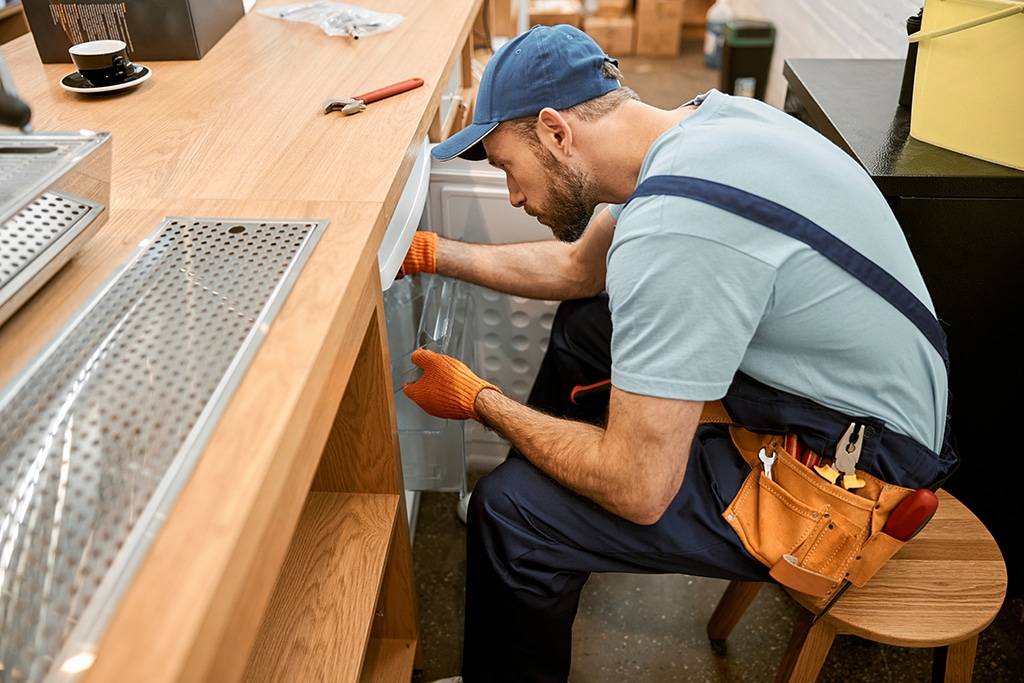
Preventing a breakdown is always better than fixing one. Regular servicing keeps your commercial units running efficiently, saving energy and protecting your inventory.
Pure Tek Air: Reliable Commercial Refrigeration Services
Pure Tek Air provides trusted commercial refrigerator services for Florida businesses, including:
Protect your inventory, reduce downtime, and stay ahead of peak season demand with expert service you can rely on.
Schedule your commercial refrigeration maintenance today and avoid costly breakdowns this season.